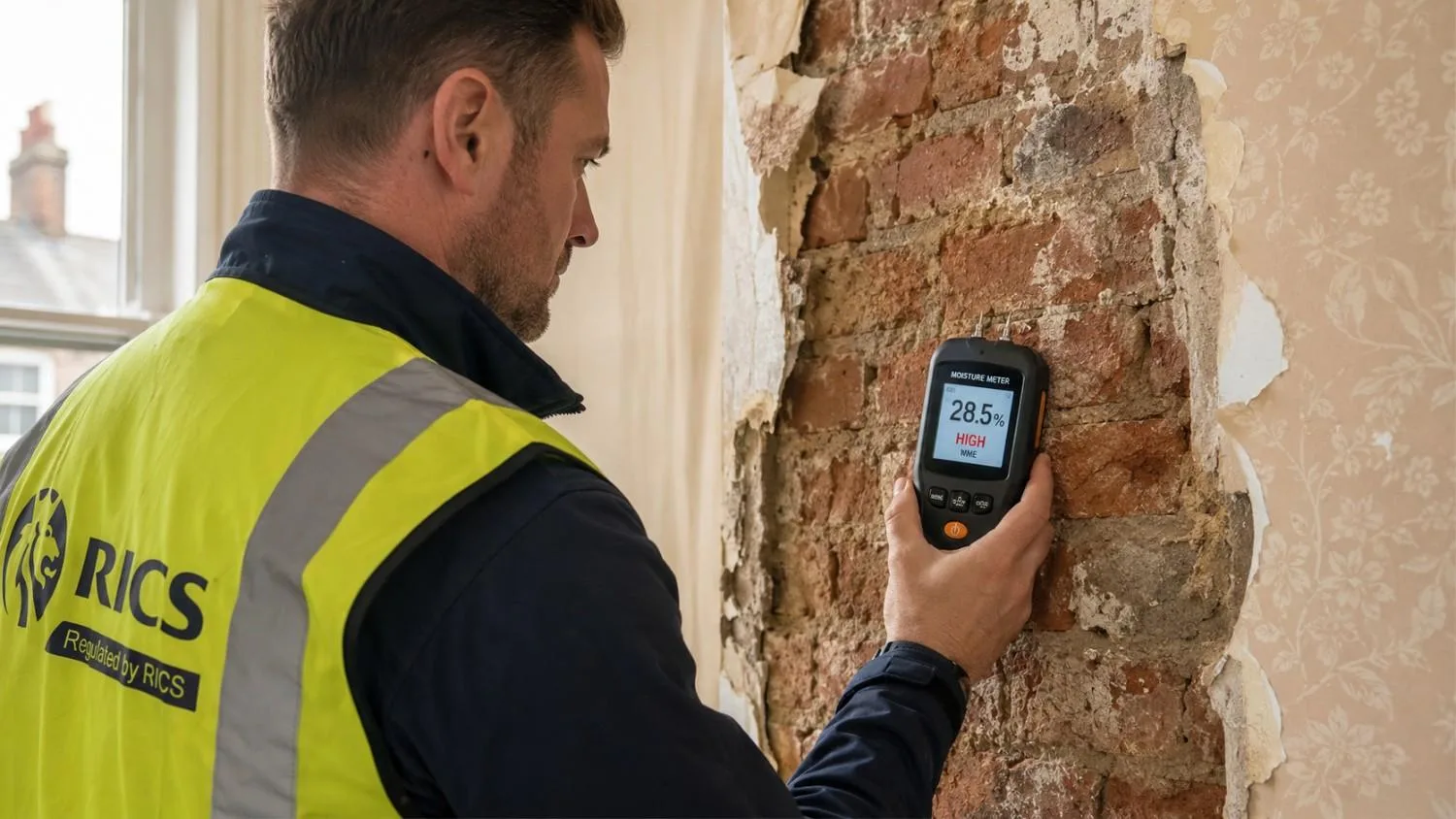
Buying a Leasehold Flat in Harrow in 2026: What Buyers Must Check Before Making an Offer
Buying a leasehold flat in Harrow in 2026? Before you make an offer, check the lease length, service charges, ground rent, Section 20 notices, and cladding issues. One missed detail could cost you thousands. Here's your essential leasehold buyer checklist.

If you are buying a leasehold flat in Harrow in 2026, you are entering one of northwest London's most dynamic property markets. However, before you fall in love with a beautiful apartment near Harrow-on-the-Hill station or a modern flat in South Harrow, there are critical checks you absolutely must complete. Unlike freehold properties, leasehold flats come with ongoing costs, legal obligations, and potential pitfalls that can seriously impact your finances and quality of life.
Consequently, understanding what to look for before making an offer is essential. As a trusted estate and letting agent in Harrow, Empire Chase regularly guides buyers through the complexities of leasehold purchases, ensuring they avoid costly mistakes and make informed decisions.
So, let's break down exactly what you need to check when buying a leasehold flat in Harrow in 2026, from service charges and ground rent to lease length and Section 20 major works.
Understanding Leasehold Property in Harrow
First and foremost, it is important to understand what leasehold actually means. When you buy a leasehold flat, you own the property for a fixed number of years (the lease length), but you do not own the land or building it sits on. Instead, the freeholder (or landlord) retains ownership of the building, and you effectively rent the land through ground rent and service charges.
Moreover, leasehold properties come with a lease agreement that sets out your rights and responsibilities. This agreement covers everything from how long the lease lasts to what you can and cannot do with the property. Therefore, reading and understanding the lease document is absolutely critical before proceeding with any purchase.
In Harrow, the majority of flats and maisonettes are sold as leasehold, particularly in purpose-built blocks and converted Victorian houses. Consequently, if you are a first-time buyer targeting an affordable property in 2026, you will almost certainly encounter leasehold arrangements.
The Most Important Leasehold Flat Checks in Harrow
When buying a leasehold flat in Harrow in 2026, there are several essential checks you must carry out before making an offer. Missing even one of these can lead to financial stress, legal disputes, or difficulties selling the property later.
1. Check the Remaining Lease Length
The remaining lease length is arguably the most critical factor when buying a leasehold flat. Generally, mortgage lenders require at least 80–85 years remaining on the lease at the point of purchase. Additionally, properties with shorter leases become increasingly difficult to sell and may lose significant value.
If a lease drops below 80 years, extending it becomes considerably more expensive due to something called "marriage value," which is the increased value created when the lease is extended. Therefore, if you are considering a Harrow leasehold property with fewer than 90 years remaining, you should factor in the cost of a lease extension.
Furthermore, some lenders will not offer mortgages on properties with leases below 70 years, and properties with very short leases (under 60 years) can become virtually unmortgageable. Consequently, always check the exact lease length early in the buying process and get professional advice if it is below 90 years.
2. Review the Service Charge Carefully
Service charges are ongoing costs that leaseholders pay to cover the maintenance and running of the building. These charges can vary dramatically depending on the size of the building, the facilities provided, and how efficiently the property is managed.
In Harrow, service charges on leasehold flats typically range from a few hundred pounds to several thousand pounds per year. Moreover, service charges can increase over time, so it is essential to ask for a breakdown of recent charges and check whether they have been rising consistently.
Additionally, you should request:
- At least three years of service charge history to identify trends
- A breakdown of what the service charge covers (cleaning, gardening, building insurance, maintenance, etc.)
- Details of the managing agent and their reputation
- Evidence of a sinking fund or reserve fund for major future works
If the service charge seems unusually high or has been rising steeply, investigate further before proceeding.
3. Understand Ground Rent Obligations
Ground rent is an annual fee paid to the freeholder simply for occupying the land the building sits on. Historically, ground rents were often small, token amounts (£50–£100 per year). However, some leases — particularly newer ones — include ground rents that double every 10 or 15 years, which can become unaffordable over time.
Fortunately, the Leasehold Reform (Ground Rent) Act 2022 banned ground rent on most new residential leases in England from June 2022. Nevertheless, if you are buying a leasehold flat in Harrow that was sold before this date, you may still be liable for ground rent.
Therefore, always check:
- The current annual ground rent amount
- Whether the ground rent increases over time (fixed, index-linked, or doubling clauses)
- Whether the ground rent is considered "onerous" (some mortgages will be declined if ground rent is excessive)
If the ground rent doubles regularly or is unusually high, seek legal advice before committing to the purchase.
4. Investigate Section 20 Notices and Major Works
One of the biggest financial shocks for leasehold buyers is discovering they are liable for major building works shortly after purchase. Under Section 20 of the Landlord and Tenant Act 1985, freeholders must formally consult leaseholders before carrying out major works or entering into long-term agreements that cost each leaseholder more than £250.
However, the total cost of major works can still run into tens of thousands of pounds per flat, covering expenses like:
- Roof repairs or replacement
- Lift refurbishment
- External redecoration and scaffolding
- Window replacement
- Fire safety upgrades
Therefore, when buying a leasehold flat in Harrow in 2026, you must ask your solicitor to investigate:
- Whether any Section 20 notices have been issued recently or are pending
- What major works are planned in the next few years
- Whether there is a sinking fund in place to cover future major works
- The condition of the building (request a recent building survey if available)
If major works are imminent and there is no reserve fund, you could face a large, unexpected bill soon after moving in.
5. Check Building Insurance and Cladding Issues
Following the Grenfell Tower tragedy, building safety and cladding have become critical issues for leasehold flat buyers. Moreover, many leaseholders have been left with enormous bills to remove dangerous cladding or carry out fire safety improvements.
Therefore, before buying a leasehold flat in Harrow, always ask:
- Whether the building has an EWS1 form (External Wall System certificate) confirming fire safety
- Whether any cladding remediation works are required
- Who will pay for any necessary fire safety works (the freeholder, government funding, or leaseholders)
- Whether building insurance is in place and up to date
If the building has cladding issues, it may be difficult or impossible to secure a mortgage, and you could face significant costs later. Consequently, this is a crucial check that should never be skipped.
6. Review the Lease Agreement for Restrictions
Every leasehold flat comes with a lease agreement that sets out what you can and cannot do with the property. Some leases include restrictive clauses that can affect your ability to:
- Rent out the property (some leases prohibit subletting or require freeholder consent)
- Own pets (some leases ban pets entirely)
- Make alterations (changing layout, replacing windows, or installing hardwood floors may require permission)
- Run a business from the property
If you are planning to use the flat as a buy-to-let investment or work from home, check the lease carefully to ensure it permits your intended use. Additionally, your solicitor should highlight any unusual or onerous restrictions during the conveyancing process.
Why Lease Length Matters for Harrow Buyers
The lease length is so important it deserves special emphasis. In Harrow's competitive property market, flats with longer leases (120+ years) sell faster and achieve higher prices than those with shorter leases.
Moreover, extending a lease can cost anywhere from £5,000 to £20,000+, depending on the property value, remaining lease length, and ground rent. Therefore, if you are buying a flat with a lease below 90 years, negotiate the price to reflect the cost of extending the lease or ask the seller to extend it before completion.
For more insights into Harrow's property market trends, explore Empire Chase's predicted price growth data for 2025–2030.
Questions to Ask the Seller or Estate Agent
When viewing a leasehold flat in Harrow, make sure you ask the estate agent or seller the following questions:
- How many years are left on the lease?
- What is the annual service charge and ground rent?
- Has the service charge increased recently, and by how much?
- Are there any Section 20 notices for major works?
- Is there a sinking or reserve fund in place?
- Does the building have cladding or fire safety issues?
- Can I sublet the property if needed?
- Who manages the building, and what is their reputation?
A reputable letting agency in Harrow like Empire Chase will always provide transparent answers to these questions and support buyers with full disclosure.
First-Time Buyer Tips for Leasehold Properties in Harrow
If you are a first-time buyer purchasing a leasehold flat in Harrow in 2026, here are some practical tips to protect yourself:
- Use a specialist leasehold solicitor who understands the complexities
- Budget for ongoing costs (service charge, ground rent, and potential major works)
- Request a Homebuyer Survey to identify structural issues early
- Check the managing agent's track record online and through leaseholder feedback
- Join the leaseholders' association if one exists to stay informed
- Consider properties with share of freehold where leaseholders collectively own the building
Additionally, never rush into a leasehold purchase. Take the time to thoroughly review all documents, ask questions, and seek professional advice.
How Empire Chase Supports Harrow Leasehold Buyers
Buying a leasehold flat in Harrow can feel overwhelming, especially for first-time buyers. However, working with an experienced estate and letting agent in Harrow like Empire Chase makes the process significantly smoother.
Empire Chase offers:
- Honest, transparent property advice tailored to your circumstances
- Access to exclusive Harrow leasehold listings across all price ranges
- Support with understanding service charges, ground rent, and lease terms
- Connections to trusted solicitors and surveyors who specialize in leasehold
- Ongoing property management services for buy-to-let landlords
Browse Empire Chase's latest Harrow property listings to find leasehold flats that meet your budget and requirements.
Final Thoughts
Buying a leasehold flat in Harrow in 2026 can be a smart investment, but only if you carry out thorough leasehold flat checks in Harrow before committing. From service charges and ground rent to lease length and Section 20 major works, every detail matters.
By asking the right questions, working with experienced professionals, and understanding your legal obligations, you can avoid costly surprises and enjoy your Harrow home with confidence.
For expert guidance on buying leasehold property in Harrow, contact Empire Chase today and make your next property move with clarity and confidence.
Sources and further reading: