
My House Survey Found Damp in Harrow: Should I Renegotiate, Get a Specialist Report or Walk Away?
If your house survey found damp in Harrow, don't panic. This guide explains how to identify the cause, when to commission a specialist damp survey, and how to renegotiate the price with sellers in HA1 and HA2.
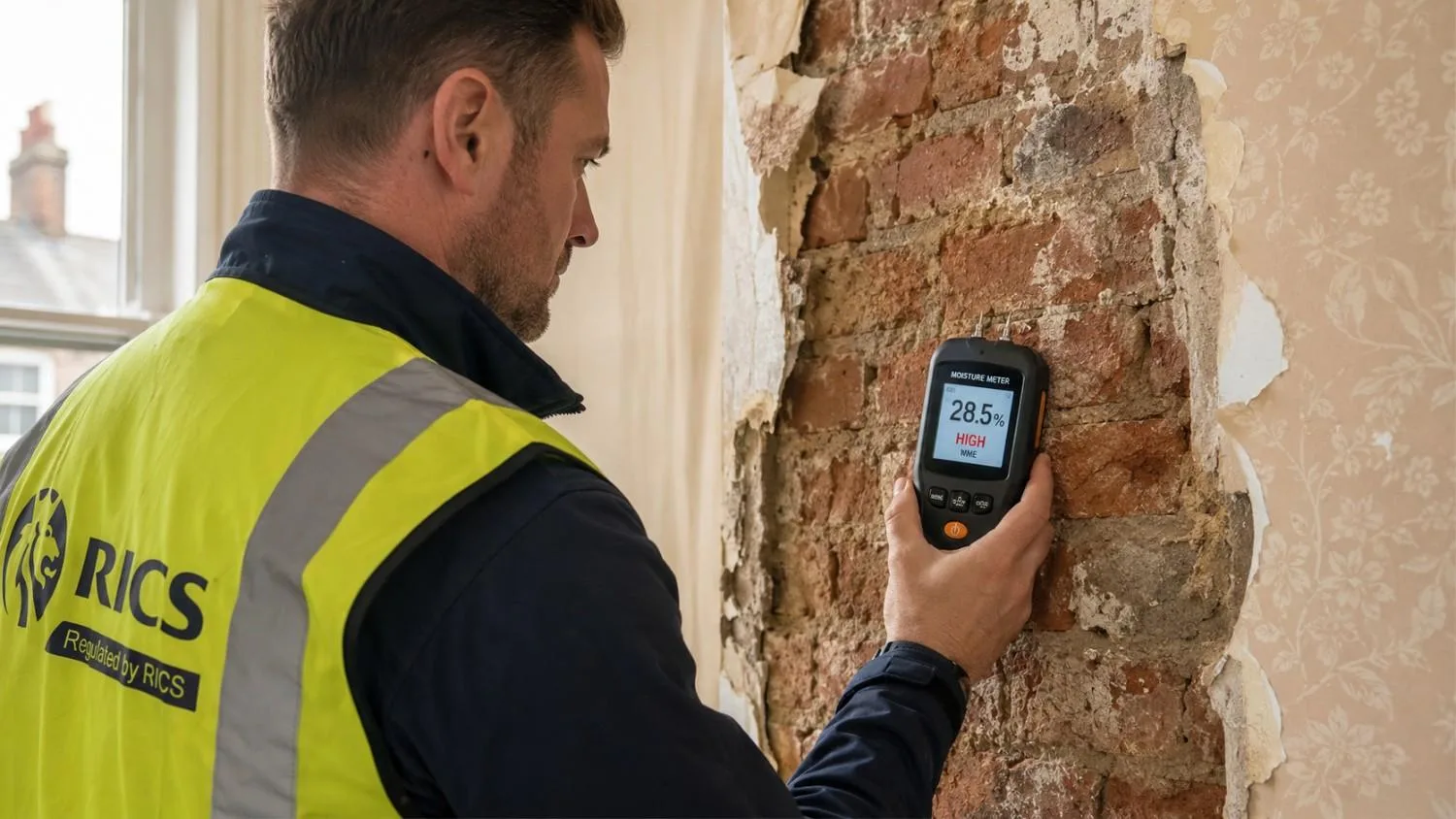
It’s a jungle out there! The property market in Northwest London is moving fast, and finding the perfect home in HA1 or HA2 is a massive achievement. However, the excitement of having an offer accepted often vanishes the moment you open your RICS report. If your house survey found damp in the harrow, you might feel like your dream home is suddenly under threat.
Because damp is a common finding in many London boroughs, you should not panic immediately. Instead, you need a clear, evidence-based strategy to decide your next steps. As the leading letting agent in Harrow, Empire Chase has helped countless buyers navigate these tricky situations. Whether you are looking at a Victorian terrace or a 1930s semi, here is the professional advice you need to handle the situation correctly.
House Survey Found Damp in Harrow? Your Next Steps
First and foremost, you must understand that a general surveyor uses a moisture meter to flag potential issues. However, they are often not specialists in diagnosing the root cause. When a house survey finds damp in Harrow, the report usually provides a high reading, but it rarely explains why the moisture is there.
Consequently, your first step should be to ask your surveyor for more detail. Since they have been on-site, they can often suggest if the issue looks like a minor condensation problem or something more structural. Furthermore, you should never rely on a vague estimate from a general report. Because every property is different, you need a professional diagnosis before you make any financial decisions.
Understanding the Different Types of Damp
When a house survey finds damp in Harrow, the problem typically falls into one of three categories. Identifying which one you are dealing with is essential for your decision-making process.
- Condensation: This is the most common issue. It usually occurs because of poor ventilation, especially in kitchens and bathrooms. Fortunately, this is often the cheapest fix.
- Penetrating Damp: This happens when water enters the property from the outside. In many older Harrow properties, this is caused by leaking gutters, cracked rendering, or blocked air bricks.
- Rising Damp: This is when ground moisture moves up through the walls. Since many homes in this area sit on London clay, ground movement can sometimes damage an older damp-proof course (DPC).
Moreover, if your house survey found damp in Harrow, you should investigate whether recent renovations have accidentally blocked the building's natural ventilation. Similarly, if the property has solid brick walls (common in Victorian homes near Harrow-on-the-Hill), the way the house "breathes" is vital.
When to Get a Specialist Damp Survey in Harrow
Because an RICS report only identifies the presence of moisture, you will likely need a damp survey in Harrow before moving forward. A specialist damp surveyor uses more advanced tools to find the source of the moisture.
Furthermore, a specialist report provides the written evidence you need if you plan to renegotiate. However, you should ensure the specialist is independent and not just looking to sell you an expensive damp-proofing treatment. Since a house survey found damp in Harrow, a specialist can tell you if you simply need to install an extractor fan or if you need more serious remedial work. Additionally, your mortgage lender may require this specialist report before they finalize your loan.
How the Finding Affects Your Negotiation
If your house survey found damp in the harrow, you have a legal and financial right to pause and reflect. Since the property is not in the condition you initially expected, you have a few choices:
- Renegotiate the price: You can ask the seller to reduce the purchase price to cover the cost of repairs.
- Request repairs before exchange: You can ask the seller to fix the issue using a reputable company with a long-term guarantee.
- Walk away: If the damage is extensive or the seller refuses to acknowledge it, walking away might be the safest option.
Consequently, having a clear Harrow property survey allows you to approach the seller with facts rather than emotions. When a house survey found damp in Harrow, the seller was often just as surprised as you were. Therefore, keeping the conversation professional and evidence-based is the best way to reach an agreement.
A Note on Repair Costs and EEAT Principles
When your house survey found damp in Harrow, you might be tempted to search for "typical repair costs" online. However, as property experts, we advise caution. Providing generic cost estimates can be misleading because repair prices vary wildly based on the building's size, the extent of the damage, and the specific materials needed.
Because we follow strict EEAT (Experience, Expertise, Authoritativeness, and Trustworthiness) principles, we recommend only using written quotes from qualified local contractors. For instance, fixing a patch of rising damp in a small flat will cost much less than tanking a large basement in a detached home. Therefore, always verify repair estimates with at least two independent specialists to ensure you are getting a fair price.
How Damp Affects Harrow Property Value
Harrow is a desirable area, and predicted price growth for Harrow 2025–2030 shows that the market remains strong. However, a property with unresolved damp issues will always be worth less than a dry, healthy home.
Furthermore, if you are an investor looking to let the property out, damp is a significant liability. As a premier letting agency in Harrow, we know that damp can lead to tenant disputes and health and safety issues. Consequently, if your house survey found damp in Harrow, resolving it now will protect your long-term investment and ensure the property remains a high-value asset.
When Walking Away Makes Sense
While many damp issues are fixable, there are times when walking away is the right move. If your house survey found damp in the harrow and the specialist finds that it is caused by significant structural failure or subsidence, you should be very careful.
Similarly, if the seller refuses to allow a specialist survey or won't negotiate on the price, it may be time to look for a different home. You can find a wide range of properties in Harrow here that might be a better fit for your needs. Because your home is likely your biggest investment, you should never feel pressured into a deal that feels unsafe.
Questions to Ask the Seller
If your house survey found damp in the harrow, you should ask the seller the following questions:
- Have you noticed any damp patches or a musty smell during your time here?
- Has any damp-proofing work been carried out previously? If so, is there a valid guarantee?
- Have there been any recent leaks from the roof or plumbing?
- Are you willing to allow an independent specialist to inspect the property?
Because the seller has lived in the property, they may have valuable information that the surveyor missed. However, always verify their answers with your own specialist report.
Final Thoughts: Navigating the Harrow Property Market
In conclusion, when a House Survey found damp in Harrow, it was a hurdle, not necessarily a roadblock. By following a logical process—diagnosis, specialist consultation, and negotiation—you can still secure your dream home at a fair price.
Whether you need a trusted letting agent in Harrow or you are looking for property buying advice in Harrow, Empire Chase is here to help. We understand the local market and the specific challenges of Northwest London properties. Consequently, we provide the support you need to move forward with confidence.
Buying in Harrow and concerned about a survey finding? Speak with Empire Chase for practical local property guidance, then obtain independent advice from a RICS surveyor, solicitor, and relevant specialist before making a legal or financial decision.