It's a Jungle Out There! What Harrow Buyers Must Know About Overgrown Neighbouring Gardens
Found the perfect home in Harrow but worried about the neighbour’s overgrown garden? From Japanese Knotweed to hedge disputes and legal risks, here’s what every buyer must check before making an offer in Harrow’s competitive property market.
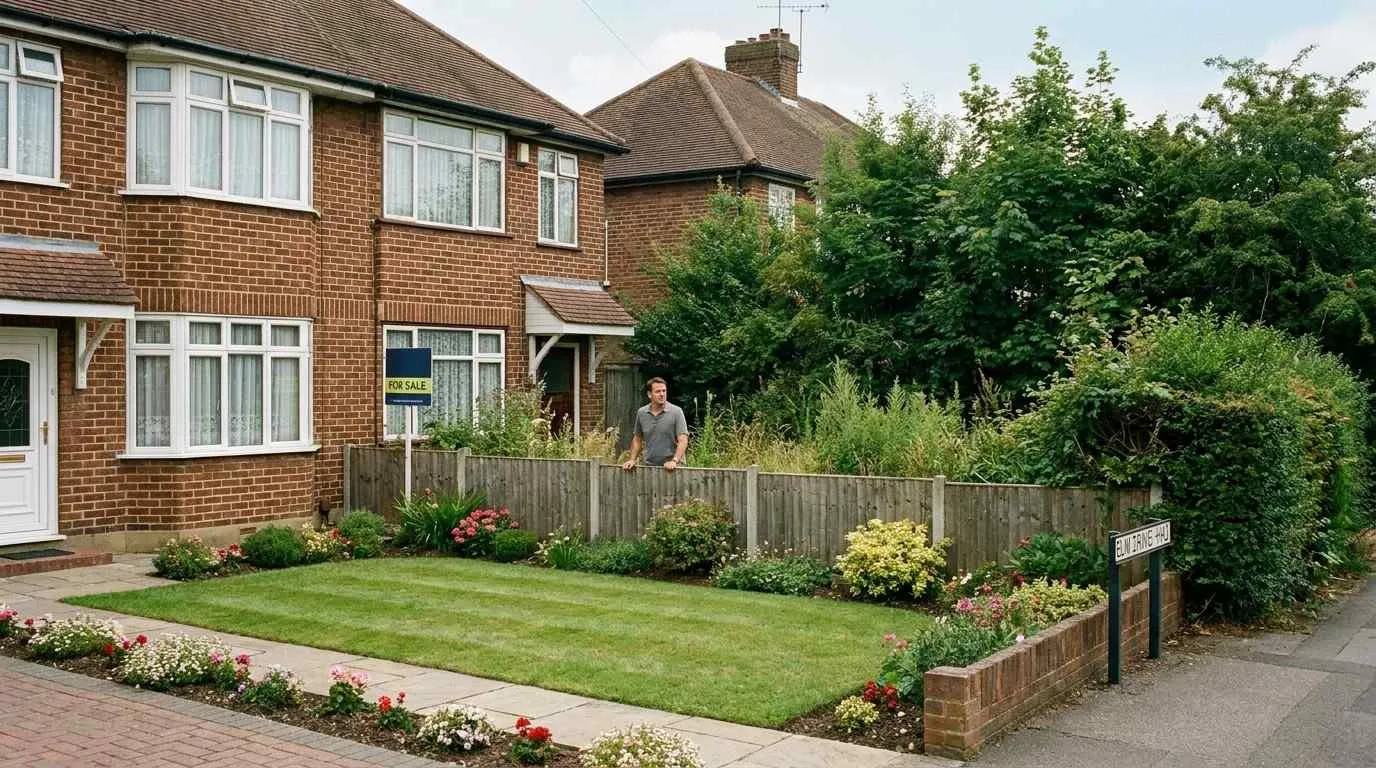
So, you have found a property in Harrow that ticks almost every box. The price works. The bedrooms are right. The location, perhaps near Harrow-on-the-Hill station or within a sought-after school catchment, is exactly what you wanted. But then you peek over the fence and discover that the garden next door looks like something straight out of a wildlife documentary.
Before you walk away or make a hasty offer, here is everything you need to know as a buyer in Harrow's competitive property market. As a trusted letting agent in Harrow, Empire Chase regularly guides buyers and landlords through exactly these kinds of tricky situations.
The Unspoken Rule of Garden Maintenance
Not everyone has green fingers, and that is completely fine. However, there is an unspoken social contract in residential neighbourhoods: we keep our outside spaces reasonably under control. When a neighbouring garden has been left completely wild, it raises very real questions for any buyer.
Can anything be done before you make an offer? Honestly, it is largely down to the seller and their neighbour to reach an agreement. However, there is one specific plant-related issue that goes far beyond aesthetics and actually enters the legal and conveyancing processes: Japanese knotweed.
Japanese Knotweed: Spreading Like Wildfire in Harrow Gardens
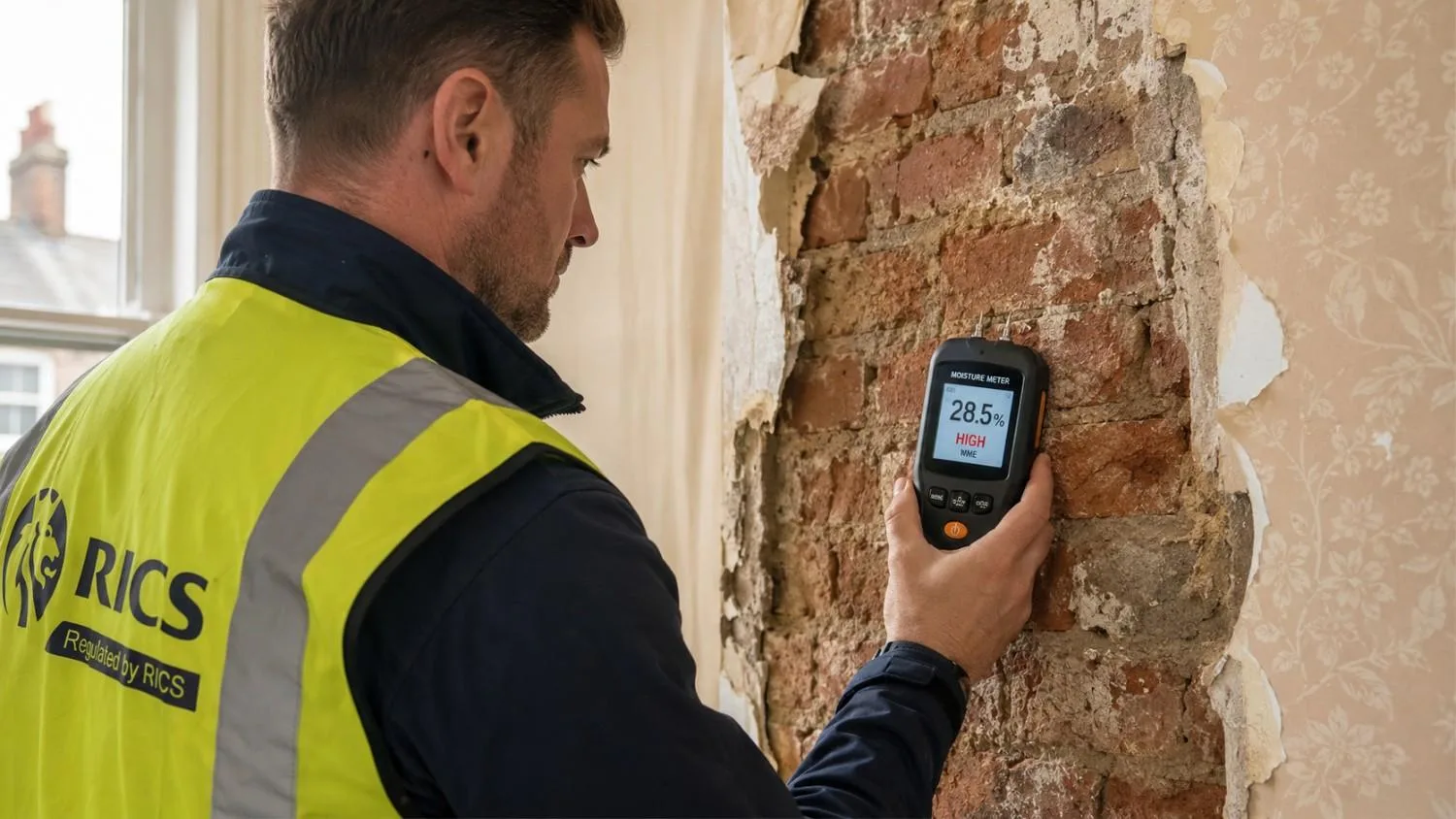
Japanese knotweed is not just an eyesore. It is, frankly, a serious structural threat. It spreads aggressively, and garden fences will not stop it travelling between properties. Its roots can damage patios, brickwork, and concrete foundations, quietly weakening structures as it advances.
Importantly, there is a specific question about Japanese Knotweed on the TA6 Property Information Form, which every seller must complete during conveyancing. The seller's answer determines everything that follows.
Three Possible Answers on the TA6 Form
-
"Yes" — The seller discloses Japanese knotweed is present. At this point, you can request professional treatment before proceeding or negotiate a price reduction. However, be cautious: many mortgage lenders will refuse applications where Japanese Knotweed is confirmed.
-
"No" — If you suspect knotweed next door despite this answer, perhaps you spotted it during a viewing; it is strongly advisable to commission a specialist survey. Worth noting, however, the seller is not legally obliged to grant a specialist access to their garden.
-
"Not known" — This is the most common response, and it pushes responsibility firmly back onto the buyer to investigate, particularly when the suspected threat comes from a neighbouring garden rather than the property itself.
Buyer Beware: Bamboo Is Also a Growing Concern
You might reasonably wonder whether bamboo carries similar risks. While there is no dedicated bamboo question on the TA6 form, mortgage lenders absolutely can withhold funds if bamboo appears in a structural survey. Specifically, the "running" type of bamboo spreads aggressively from one property to the next.
Therefore, if you spot bamboo in a neighbouring Harrow garden during a viewing, do not ignore it. Involve a specialist before you proceed any further.
What Happens After Exchange?
If you later discover that the seller misrepresented the situation on the TA6 form, you can pursue legal action for misrepresentation. However, proving that an invasive species was already present at the time of sale, rather than spreading from next door afterwards, can be genuinely challenging.
This is precisely why thorough due diligence before exchange is so critical, especially in densely populated areas like Harrow where gardens sit in close proximity.
Forcing Neighbours to Take Responsibility
If an invasive plant spreads from a neighbouring garden and causes damage after you have moved in, you are not entirely without recourse. Under the law of private nuisance, neighbours can be held liable for damage to an adjacent property if they fail to prevent an invasive species from spreading.
You should first attempt to resolve the matter amicably. Nevertheless, if that fails, a formal mediation service or legal action may ultimately be necessary.
Trim Carefully to Avoid Legal Trouble
More commonly, the "jungle" problem in Harrow gardens involves trees and overgrown shrubs that have simply been neglected. Naturally, the temptation is to grab the shears and sort it yourself. However, you must not step onto a neighbour's land to carry out any gardening work.
The government is clear on this point:
"You can trim branches or roots that cross into your property from a neighbour's property or a public road. You can only trim up to the property boundary. If you do more than this, your neighbour could take you to court for damaging their property."
Additionally, before you reach for any tools, always check with your local Harrow council whether an overhanging tree is protected by a Tree Preservation Order (TPO) or whether your street falls within a conservation area. Getting this wrong can be very costly indeed.
Hedge Your Bets: Know Your Rights
Overgrown hedges are another frequent flashpoint between neighbours. Fortunately, the government provides specific guidance here. The Anti-social Behaviour Act 2003 gives homeowners the right to formally complain to their local authority about a high hedge that meets all of the following criteria:
- Consists of two or more mostly evergreen or semi-evergreen trees or shrubs
- Stands over two metres tall
- Affects your enjoyment of your home or garden due to excessive height
- Grows on land owned or occupied by someone else
- Acts as a barrier to light or access, even where there are gaps
This legislation can also apply to trees on a neighbour's land in certain circumstances. Before escalating formally, neighbours are encouraged to use the government's 'Over the Garden Hedge' guidance to reach a peaceful resolution first.
Let There Be Light, By Law
If a neighbouring tree, fence, or overgrown hedge is blocking the natural light coming into your Harrow home, you may have a claim under the Right to Light Act 1959. However, be prepared: you would need to demonstrate that the property has received natural daylight for the past 20 consecutive years. When the obstruction is a slow-growing tree, proving this timeline can be surprisingly difficult.
When Neighbours Have No Choice
Here is something many buyers do not realise. A neighbouring property may have a restrictive covenant in place that actually prohibits the owner from removing trees or altering the landscape. In other words, what looks like neglect may actually be a legal obligation.
Fortunately, there is a straightforward way to find out. As long as the neighbouring land is registered, your solicitor can obtain the Title Register and Title Plan from HM Land Registry and review any restrictive covenants attached to that adjacent property.
This step could save you from purchasing a property only to discover the "jungle" next door is there permanently by law.
Thinking of Selling or Buying in Harrow?
Overgrown gardens, invasive plants, and tricky neighbour disputes can feel overwhelming. However, with the right guidance, these issues are navigable. Whether you are buying, selling, or letting in Harrow, the team at Empire Chase is here to help every step of the way.
You can also search available properties across Harrow or explore predicted property price growth data for Harrow through to 2030 to make smarter, better-informed decisions.
Sources and further reading: