Harrow Leasehold Service Charge Disputes in 2026: What Leaseholders Can Do When Bills Feel Unreasonable
Received an unexpected service-charge increase or major-works bill in Harrow? This guide explains how leaseholders can challenge unreasonable charges, understand Section 20 consultation rights, and consider the Right to Manage in 2026.

In Harrow, leaseholders can challenge service charges they believe are unreasonable by requesting detailed breakdowns, using the freeholder's complaints process and, if necessary, applying to the First-Tier Tribunal. Recent local cases show that consultation quality, reasonableness of costs and proper accounting are key factors in whether charges are upheld.
It's a jungle out there when a service-charge demand lands on your doormat and the figure is far higher than you expected. Perhaps your Harrow flat's charges have jumped significantly this year, or you have received a major-works estimate that feels impossible to justify. As a trusted letting agent in Harrow, Empire Chase regularly speaks with leaseholders facing exactly this situation. Consequently, this guide explains what a Harrow leasehold service charge dispute in 2026 actually involves and what practical steps you can take when bills feel unfair.
Why Are Harrow Service Charges Rising in 2026?
First and foremost, it helps to understand why so many leaseholders across HA1, HA2, and HA3 are seeing higher bills this year. Service charges can rise for several legitimate reasons, including:
- Major works such as roof repairs, structural work, or lift replacement
- Rising insurance premiums for the building
- Increased costs for cleaning and grounds maintenance
- Higher management or administration fees charged by agents
- Fire safety improvements required following recent regulatory changes
In some Harrow blocks, proposed increases of up to 70% have been reported, which has understandably prompted leaseholder complaints and requests for reviews. However, a large increase does not automatically mean the charge is unlawful. Instead, it means you have every right to ask detailed questions and, where necessary, challenge the figures formally.
What Costs Can Legitimately Be Included in a Service Charge?
Before challenging anything, it is worth understanding what a service charge can and cannot cover. Generally, a service charge should only include costs that are reasonably incurred and, where the work involves an improvement rather than a repair, appropriately justified under the lease terms.
Legitimate costs typically include:
- Building insurance
- Repairs and maintenance to communal areas
- Cleaning, gardening, and grounds upkeep
- Utilities for shared spaces (lighting, heating in communal areas)
- Management fees for administering the building
- Contributions to a reserve or sinking fund for future major works
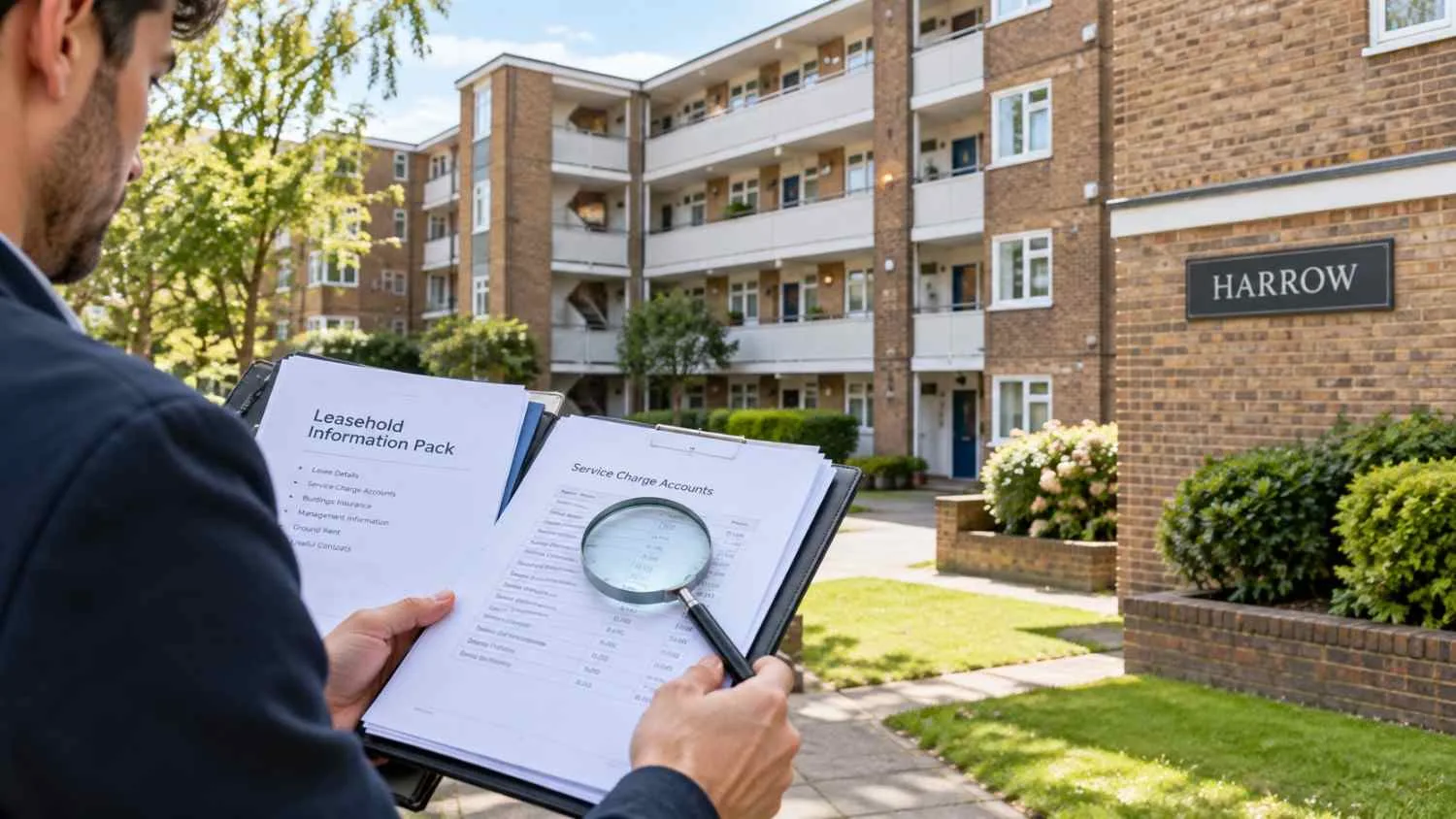
However, leaseholders can request a full breakdown of costs and supporting invoices. If the figures seem inflated compared to previous years, or the work described does not match what has actually been carried out, this is a reasonable basis for further investigation.
Section 20 Consultation: Why It Matters in Disputes
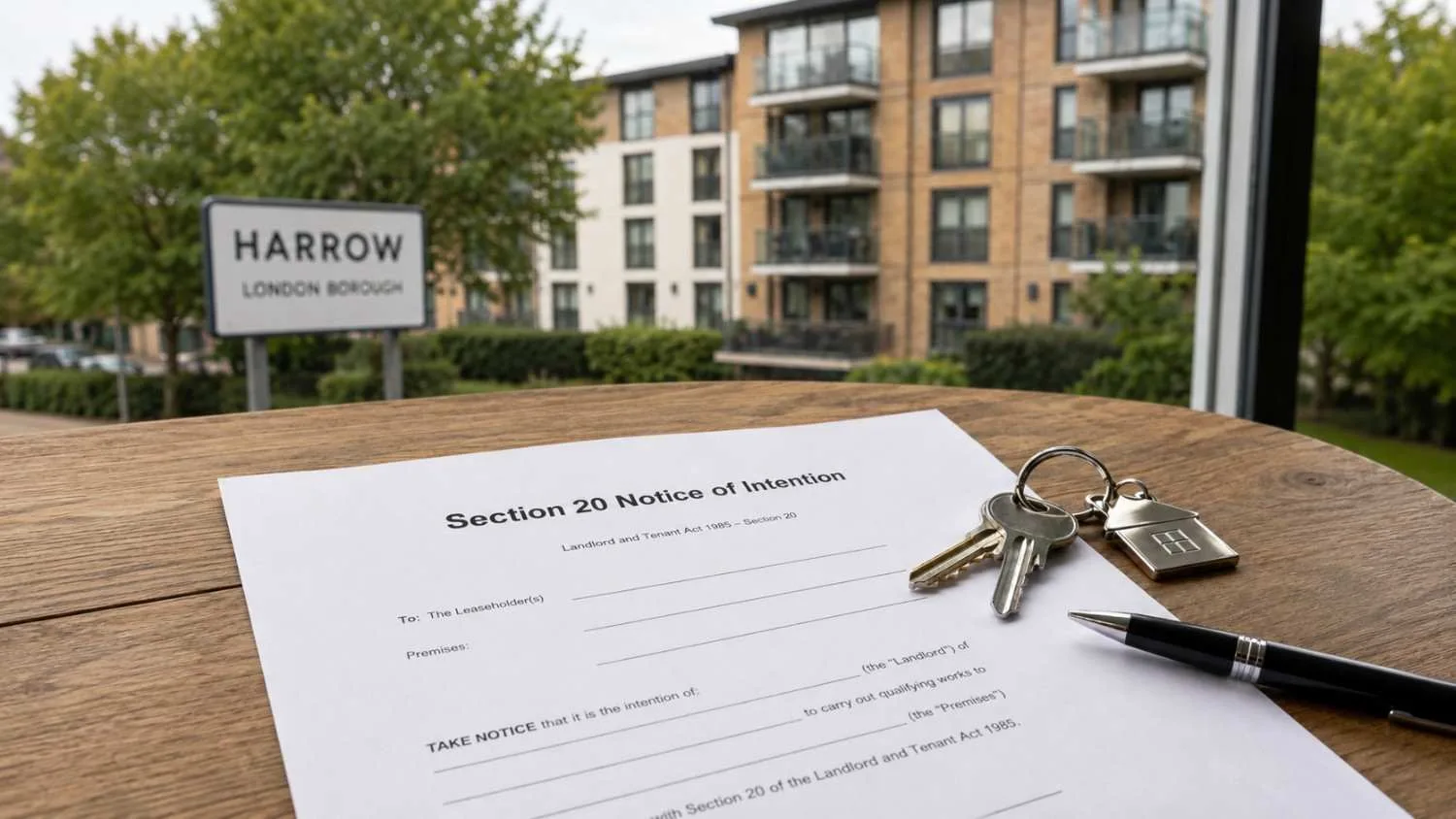
Section 20 of the Landlord and Tenant Act 1985 requires landlords to consult leaseholders before carrying out qualifying major works or entering long-term agreements above set thresholds. This consultation process matters enormously in disputes, because if proper consultation is not followed, a landlord's ability to recover the full costs from leaseholders can be restricted.
Recent tribunal cases in and around Harrow have examined whether consultation was adequate for roof and structural works, looking closely at whether leaseholders were given a genuine opportunity to comment on proposals and nominate alternative contractors. Consequently, if you have received a major-works bill without a proper Notice of Intention, Notice of Proposal, or reasonable consultation period, this is one of the strongest grounds for challenging the charge.
If you're buying a Harrow flat and have already seen a Section 20 notice, read our guide on buying a flat with a Section 20 notice in Harrow before you make an offer, as it explains how to check whether consultation has been properly followed from the outset.
How to Challenge a Service Charge Step by Step
If you believe your Harrow service charge is unreasonable, there is a structured process worth following before escalating matters formally.
Step 1: Request a Detailed Breakdown
Ask your freeholder or managing agent for an itemised breakdown of the charges, along with supporting invoices. You have a legal right to request this information within a reasonable timeframe.
Step 2: Compare Against Previous Years
Look at how the current charge compares to previous years. A sudden, unexplained jump can be a useful starting point for further questions.
Step 3: Use the Formal Complaints Process
Most managing agents and freeholders have a formal complaints procedure. Put your concerns in writing and request a response within a set timeframe.
Step 4: Seek a Second Opinion
In some cases, obtaining independent quotes for comparable works can help demonstrate whether the charged amount is reasonable.
Step 5: Apply to the First-Tier Tribunal
If the matter remains unresolved, leaseholders can apply to the First-Tier Tribunal (Property Chamber) for a determination on the reasonableness of the service charge.
First-Tier Tribunal: When and How Leaseholders Use It
The First-Tier Tribunal (Property Chamber) exists specifically to resolve disputes between leaseholders and freeholders, including disagreements over service-charge reasonableness and Section 20 compliance. Recent tribunal decisions in and around Harrow show leaseholders successfully challenging charges where consultation or reasonableness tests were not met.
However, it is important to be realistic. A tribunal application does not guarantee a reduction in charges, and outcomes depend heavily on the specific facts, evidence, and lease terms involved. Consequently, we strongly recommend seeking advice from a qualified leasehold solicitor or specialist adviser before making an application, as they can help you understand whether your case has reasonable prospects and what evidence you will need.
Right to Manage and Other Collective Options
Beyond individual disputes, some Harrow leaseholders choose a more structural solution: taking over management themselves. In many blocks, qualifying leaseholders can exercise a Right to Manage (RTM) or pursue other collective rights, subject to eligibility criteria.
This route can give leaseholders significantly more control over service charges, the choice of managing agent, and how major works are planned and tendered. However, it requires organisation among leaseholders, professional advice, and a genuine willingness to take on ongoing management responsibilities. Consequently, RTM is not a quick fix, but for blocks with persistent management issues, it can be a worthwhile long-term option.
Buying a Harrow Leasehold: Checks to Avoid Future Disputes
If you are currently searching for a property rather than already living in one, the best time to protect yourself from future service-charge disputes is before you exchange contracts. Before committing to any Harrow leasehold purchase, buyers should:
- Review recent service-charge accounts and budgets in detail
- Check for any Section 20 notices and planned major works
- Ask their solicitor to investigate any known disputes or tribunal cases affecting the block
- Request details of the reserve fund and whether it appears adequately funded
This is especially important in blocks where large increases or major works are already in progress. Our existing guide on buying a leasehold flat in Harrow: 2026 checklist covers this due-diligence process in more depth, helping you spot warning signs before they become your problem.
Considering Selling Instead of Disputing?
For some leaseholders, particularly those facing ongoing disputes or a block with a troubled management history, selling may feel like the more practical option rather than pursuing a lengthy tribunal process. If your lease is also approaching the 80-year threshold, this adds another layer of complexity to consider. Our guide on whether to extend your lease before selling your Harrow flat explains how lease length and service-charge history both affect your position as a seller.
When to Get Specialist Leasehold Advice
Service-charge disputes can involve genuinely complex legal and financial questions. Therefore, we always recommend seeking specialist advice in the following situations:
- You are considering a first-tier tribunal application
- You suspect Section 20 consultation requirements were not followed
- You are part of a group of leaseholders considering Right to Manage
- The freeholder has ignored your formal complaint
- You are unsure whether specific costs are legitimately chargeable under your lease
A qualified leasehold solicitor or specialist adviser can review your specific lease terms and the facts of your case, which is essential before taking any formal action.
Final Thoughts
In conclusion, a Harrow leasehold service charge dispute in 2026 can feel overwhelming, particularly when bills arrive without clear explanation. However, leaseholders do have meaningful options, from requesting detailed breakdowns to pursuing a First-Tier Tribunal application where consultation or reasonableness has genuinely fallen short. Equally, for buyers, thorough due diligence before exchange remains the best protection against inheriting someone else's dispute.
Worried about your Harrow service charge or major works bill? Book an Empire Chase consultation to understand your position, the local market for similar leaseholds, and your options as a buyer, seller, or current leaseholder.