
Buying a Flat in Harrow With a Section 20 Notice: Who Pays for Major Works?
If you are buying a flat with a Section 20 notice in Harrow, you could be liable for major works costs. Discover how to identify who pays for repairs, what to ask before exchange, and how to protect your investment in HA1 and HA2.
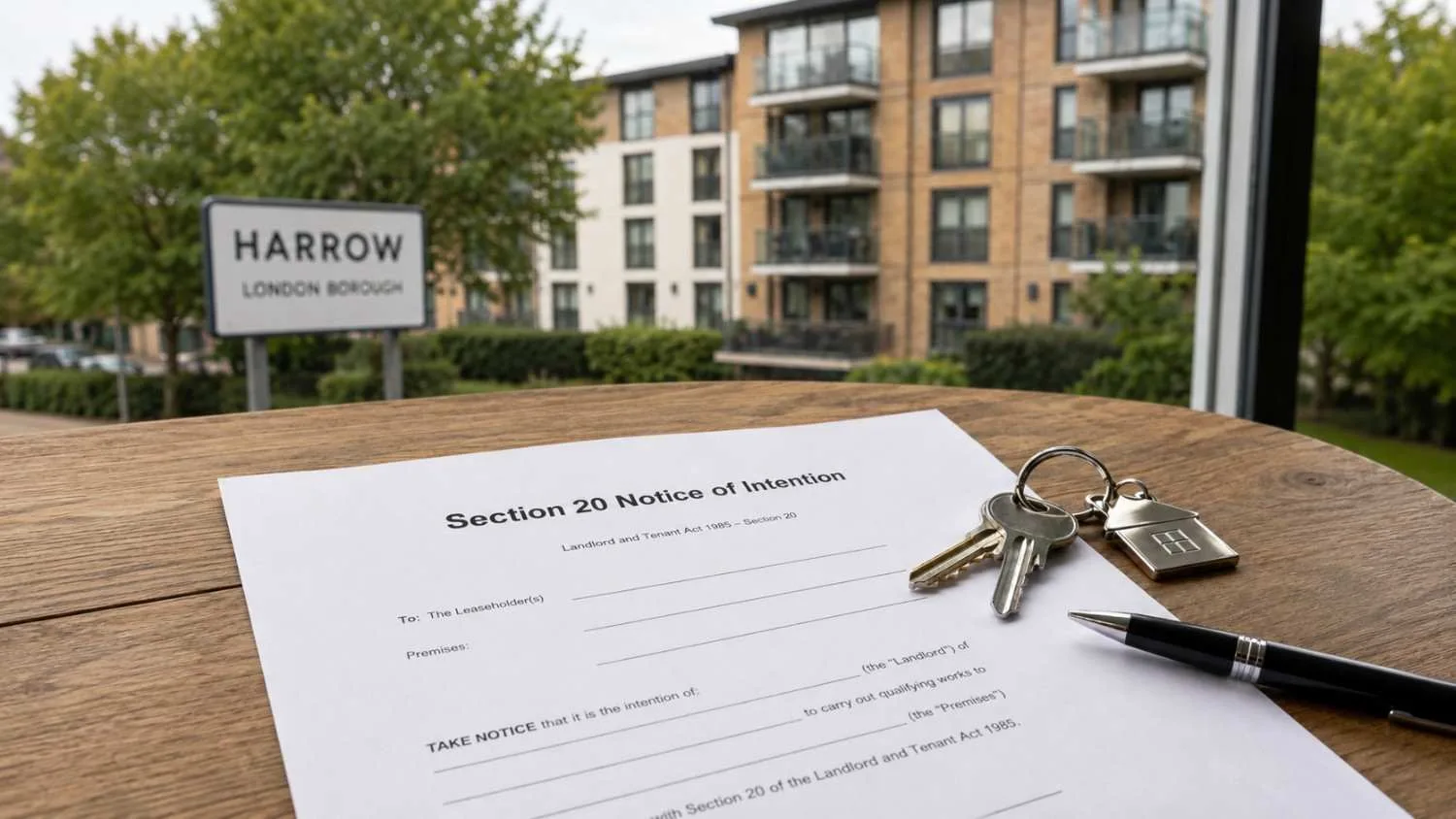
It’s a jungle out there! Finding a beautiful apartment in Northwest London is exciting, but the legal paperwork can sometimes feel like a maze. You have found a great property; the price is right, and the location is perfect. However, during the conveyancing process, your solicitor discovers a specific legal document in the management pack. Suddenly, you are buying a flat with a Section 20 notice in Harrow.
A Section 20 notice does not automatically make a Harrow flat a bad purchase, but it can mean a significant future service-charge bill. Before exchange, obtain the notices and estimates, confirm the reserve fund and payment timing, and ensure your solicitor agrees in writing whether the seller contributes, the price changes, or money is retained for the works.
As a premier letting agent in Harrow, Empire Chase helps buyers and landlords navigate these complex leasehold issues every day. Whether you are looking at a modern build in HA1 or a converted property in HA2, understanding who pays for major works is essential for your financial peace of mind.
What Exactly Is a Section 20 Notice in Harrow?
First and foremost, you should understand that a Section 20 notice is a legal consultation process. Under the Landlord and Tenant Act 1985, a freeholder or managing agent must consult leaseholders before carrying out "qualifying works". Consequently, if you are buying a flat with a Section 20 notice in Harrow, it means the building requires significant maintenance.
In our local area, Harrow Council and private freeholders must follow these rules strictly. Specifically, they must consult you if the works will cost any single leaseholder more than £250. Furthermore, if they are entering into a long-term service agreement that costs more than £100 per year per flat, a notice is required.
Therefore, seeing this notice simply means the landlord is following the law. It ensures that you, as a future owner, are not hit with secret bills without a chance to see the tenders and quotes first.
The Big Financial Question: Who Pays for Major Works?
When buying a flat with a Section 20 notice in Harrow, the most urgent concern is the bill. Many buyers ask: who pays for Section 20 major works when buying a flat? The answer is not always straightforward, as it depends on the timing of the "demand" for payment.
Usually, the person who is the registered leaseholder when the final invoice is issued is liable for the cost. However, because these works can cost thousands of pounds, you should not leave this to chance. Instead, your solicitor should negotiate one of the following three options before you exchange contracts:
- A Price Reduction: The seller reduces the purchase price by the estimated cost of the works.
- A Service Charge Retention: A portion of the sale funds is held back by the solicitor to pay the bill when it eventually arrives.
- Seller Payment: The seller pays the estimated amount into the service charge account before completion.
Consequently, you must ensure that your legal team has a clear plan. If you proceed without a retention or price drop, you might find yourself responsible for a £10,000 roof repair just weeks after moving in.
Essential Checklist: Questions to Ask Before Exchange
If you are currently buying a flat with a Section 20 notice in Harrow, you need to be proactive. Do not wait for the managing agent to offer information. Instead, work with your agent and solicitor to get answers to these vital questions:
What Is the Full Scope of the Works?
Is it a simple external redecoration, or is it something structural like a roof replacement or fire-safety cladding? Understanding the "why" helps you judge the long-term health of the building.
Is There a Sinking Fund?
Many well-managed blocks in Harrow have a reserve or "sinking" fund. Consequently, the cost of the major works might already be covered by the money leaseholders have paid over the years. Therefore, if the reserve fund is healthy, Section 20 might not result in an extra bill at all.
What Are the Estimated Dates for Payment?
Knowing when the money is due is vital for your personal budgeting. Furthermore, check if the freeholder offers payment plans for large sums.
Has the Final Tender Been Accepted?
A Section 20 process has three stages: the Notice of Intention, the Notice of Proposal, and the Notice of Reasons. Finding out which stage the landlord is at will help you determine how accurate the cost estimates are.
How Planned Major Works Affect Harrow Property Values
It is important to look at the bigger picture. While a large bill is a short-term headache, well-maintained buildings often hold their value better. According to our predicted price growth data for Harrow 2025–2030, properties in well-managed blocks remain highly desirable.
For instance, if you are buying a flat with a Section 20 notice Harrow for new windows or a modernised lift, the property will likely be more attractive to future tenants and buyers. As a leading letting agency in Harrow, we often find that tenants prefer buildings where the communal areas are regularly updated.
However, you must balance this against your initial investment. If the Section 20 costs are so high that they wipe out your equity, you may need to reconsider the purchase. You can always find alternative properties in Harrow here if the current deal feels too risky.
Navigating the Legal Jungle with Empire Chase
Ultimately, buying a flat with a Section 20 notice in Harrow requires expert guidance. You need a team that understands the local landscape. Because we operate as both an estate agent and a letting agent in Harrow, we see both sides of the coin—the buyer's anxiety and the landlord's responsibility.
We recommend that you never rush the exchange of contracts when major works are looming. Furthermore, ensure your solicitor is experienced in leasehold law. If the managing agent is unresponsive, it could be a red flag regarding how the building is run. Consequently, doing your due diligence now will save you years of stress later.
Final Advice for Harrow Buyers
In conclusion, buying a flat with a Section 20 notice in Harrow is a common part of the London property market. While it sounds intimidating, it is simply a mechanism to ensure buildings are kept safe and modern. As long as you follow the evidence, ask the right questions, and secure a financial retention, you can proceed with confidence.
Considering a leasehold flat in Harrow? Empire Chase can help you understand local property value and buyer demand, while your conveyancing solicitor reviews the lease, Section 20 notices, and the financial responsibility for planned major works.