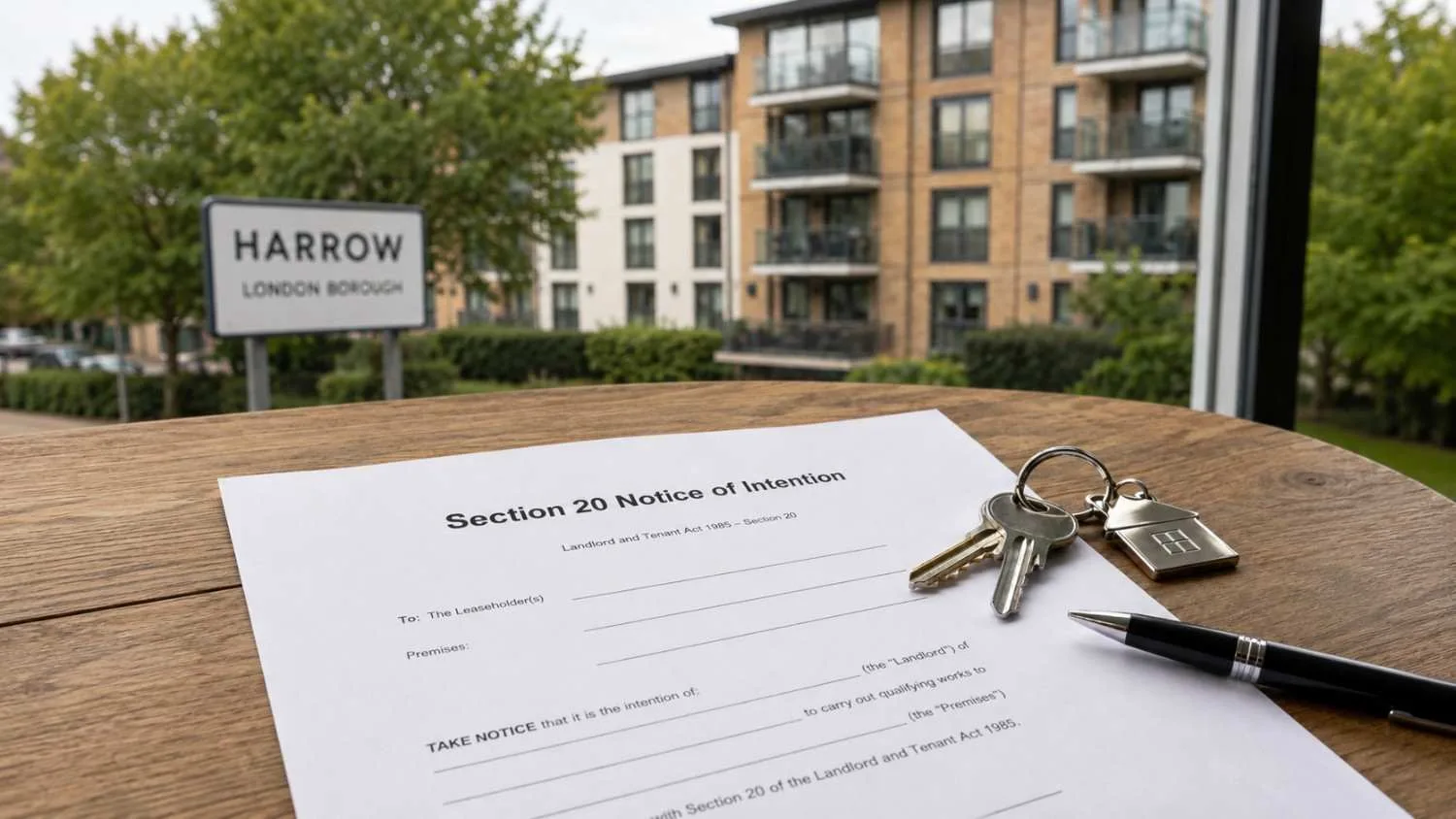
Harrow Conservation Areas and Listed Buildings: What Buyers and Sellers Must Know Before Offering or Marketing
Harrow has multiple conservation areas and listed buildings where planning, alterations, and maintenance are more complex. This guide explains what buyers and sellers must check before offering or marketing a protected property.

In Harrow, conservation areas and listed buildings are protected for their special character, but they also come with extra planning and maintenance responsibilities. Buyers and sellers should understand what is allowed, what needs consent and how this affects value, mortgage options and sale timelines.
It's a jungle out there when a property listing mentions "conservation area" or "Grade II listed" and you are not entirely sure what that actually means for you. Perhaps you have fallen in love with a beautiful period property near Harrow-on-the-Hill, only to discover it sits within a protected zone. Alternatively, you might be a seller who has lived in a listed home for years without fully understanding what needs to be disclosed.
As a trusted letting agent in Harrow, Empire Chase regularly guides buyers and sellers through these exact conversations. Consequently, this Harrow conservation area and listed building guide breaks down everything you need to know before you offer, market, or complete on a protected property.
What Is a Conservation Area in Harrow?
First and foremost, it helps to understand what a conservation area actually is. A conservation area is a designated zone where the local authority seeks to preserve or enhance the special architectural or historic character of a neighbourhood. In Harrow, several conservation areas exist, particularly around Harrow-on-the-Hill, reflecting the borough's rich Victorian, Edwardian, and even earlier heritage.
Consequently, if your property sits within one of these zones, certain works that would normally be permitted development elsewhere may require planning permission instead. This can affect:
- External alterations, including windows, doors, and roofing materials
- Demolition of all or part of a building
- Removal or works to trees within the designated area
- Some extensions and outbuildings that would otherwise be exempt
Therefore, before making an offer on a property in one of these zones, it is worth checking the exact boundary and requirements with Harrow Council's planning department. For a broader understanding of how different postcodes across the borough compare, take a look at our Harrow house prices 2026 HA1 HA2 HA3 comparison.
What Does It Mean If a Property Is Listed in Harrow?
Separately from conservation areas, some individual properties in Harrow carry a formal listed status. A listed building is legally protected for its special architectural or historic interest, typically graded as Grade I, Grade II*, or Grade II.
Consequently, if you are buying a listed building in Harrow, you need to understand that listed-building consent is usually required for many alterations. Importantly, this extends beyond just the exterior. In fact, internal works that affect the character of the building often require consent as well, including:
- Removing or altering original features such as fireplaces, staircases, or cornicing
- Changing internal layouts or removing walls
- Replacing windows or doors, even with similar-looking alternatives
- Structural repairs that affect historic fabric
Furthermore, carrying out unauthorised works on a listed building can lead to serious enforcement action, including a legal requirement to reverse the changes at your own cost. Therefore, if you are considering an older property, always ask your solicitor to confirm the listing status and any relevant history before you commit.
Harrow Conservation Area and Listed Building Guide: Mortgage Considerations
Understandably, many buyers worry about whether they can even secure a mortgage on a protected property. Fortunately, in most cases, mortgages are available on both conservation-area properties and listed buildings. However, some lenders are more cautious, particularly with older listed buildings or those featuring non-standard construction methods.
Consequently, we recommend the following steps:
- Confirm mortgage eligibility early with a broker who has experience with historic properties
- Ensure your surveyor has specific experience assessing listed or period buildings
- Ask about any known structural issues common to the property's age and construction type
- Check whether previous alterations were carried out with the correct consent
Additionally, if the property is also leasehold, be aware that conservation and listing restrictions can sometimes overlap with lease terms regarding alterations. For more on navigating leasehold-specific issues, see our buying leasehold flat Harrow 2026 checklist.
How Does Conservation or Listed Status Affect Property Value in Harrow?
Interestingly, being in a conservation area or owning a listed building can both support and constrain value, depending on the buyer. On one hand, character, history, and architectural charm are highly attractive to a specific pool of buyers who actively seek out period properties. On the other hand, the restrictions on alterations and often higher maintenance costs can narrow the overall buyer pool.
Therefore, the net effect on value truly depends on the specific property, its condition, and how well it has been maintained within the constraints of its status. A beautifully maintained listed home with sympathetic updates can command a premium. Conversely, a similar property in poor condition, where costly and complex repairs are needed, may struggle to attract as much interest.
If you are unsure how these factors apply to your specific property, our team can provide tailored guidance based on recent comparable sales. You can also explore our wider areas we cover across Harrow to understand how different neighbourhoods and their protections compare.
What Should Sellers Disclose About Conservation or Listing Status?
If you are selling a protected property in Harrow, transparency from the outset significantly reduces the risk of your sale falling through later. Specifically, sellers should disclose:
- The exact conservation area or listing designation
- Any known planning consents that have been granted
- Any planning applications that were previously refused
- Enforcement history, if any works were carried out without consent
- Details of major works undertaken during your ownership
- Any ongoing discussions or correspondence with the council
Your solicitor will include much of this in the standard property information forms. However, early transparency with your estate agent and potential buyers can prevent nasty surprises during conveyancing, which often cause deals to collapse late in the process.
For sellers preparing to market a conservation area or listed property, our guide for sellers walks through the wider preparation process, while buyers should review our guide for buyers to understand what to expect throughout their purchase.
Common Questions to Ask Before Making an Offer
Whether you are viewing a property for the first time or preparing to submit an offer, make sure you ask:
- Is the property within a conservation area, listed individually, or both?
- What grade of listing applies, if relevant?
- Have any previous alterations been made, and were they properly consented?
- Are there any pending planning applications or enforcement notices?
- What ongoing maintenance obligations come with the property's status?
Similarly, if you are buying near other known local risk factors, such as an overgrown neighbouring garden, our related guide on buying a house next to an overgrown garden in Harrow offers useful additional due-diligence advice.
Why Local Expertise Matters for Conservation and Listed Properties
Harrow's rich architectural history means that conservation areas and listed buildings are a genuine feature of the local market, not a rare exception. Consequently, working with an agent who understands these nuances is essential.
As experienced letting agents Harrow on the Hill residents trust, Empire Chase regularly handles transactions involving protected properties. We help buyers understand exactly what they are taking on, and we help sellers position their property honestly and effectively to attract the right buyers. You can browse our available Harrow properties here to see examples of period and protected homes currently on the market.
Final Thoughts
In conclusion, conservation areas and listed buildings add genuine character and history to Harrow's property market, but they also introduce responsibilities that every buyer and seller must understand. By asking the right questions, seeking specialist advice, and being transparent throughout the process, you can navigate these protected properties with confidence.
Buying or selling a conservation area or listed property in Harrow? Book an Empire Chase consultation to understand local constraints, comparable sales, and how to position your offer or marketing strategy.